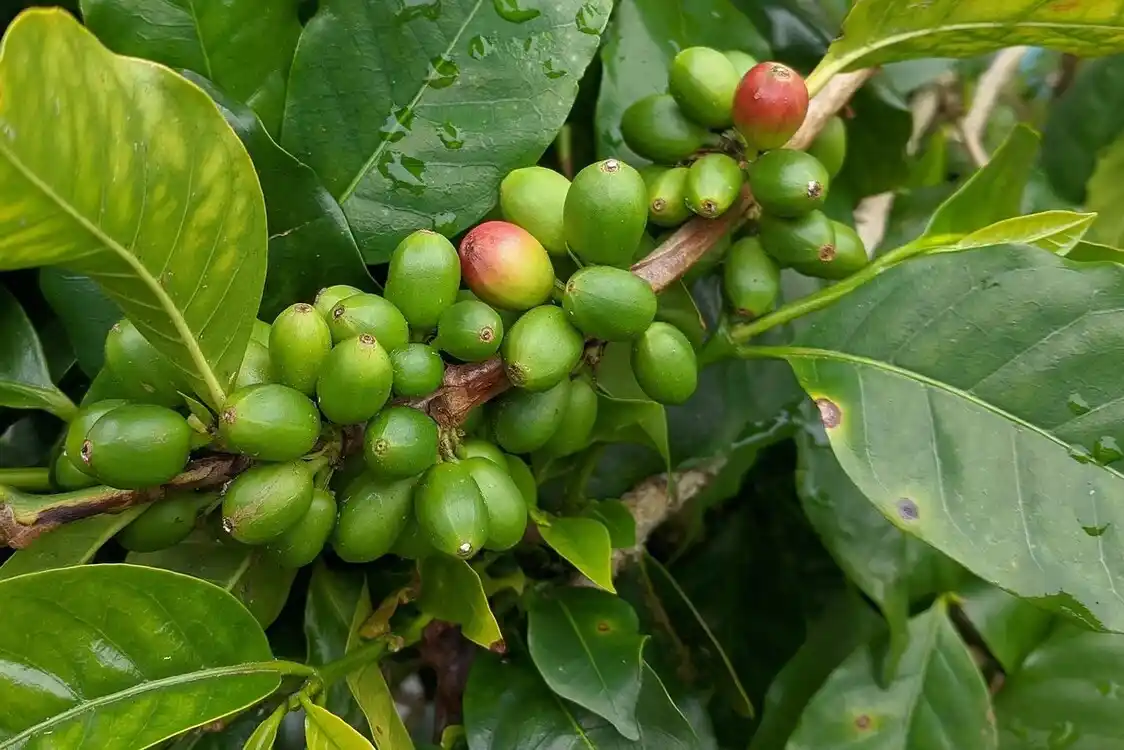
Green coffee refers to raw coffee beans that have not undergone the roasting process. Numerous health benefits attributed to green coffee have been documented, suggesting its potential utility as a preventative measure against various diseases, thereby having a significant impact on public health. Compared to roasted coffee, green coffee contains a higher concentration of polyphenols, contributing to its health-promoting properties.
Polyphenols are prevalent secondary metabolites found in plants, recognized for their capacity to mitigate diseases associated with oxidative stress and its related complications. The primary polyphenols in coffee are glycosylated forms derived from chlorogenic acids, which are esters of caffeic acid and quinic acid. A growing body of scientific evidence indicates that coffee possesses the ability to ameliorate metabolic disorders linked to obesity, type 2 diabetes, atherosclerosis, and insulin resistance. The benefits of green coffee can be delineated as follows:
- Pharmacological studies on green coffee extract indicate that the chlorogenic acids present facilitate the regulation of hypertension, vasoreactivity, and glucose metabolism.
- Prospective studies focusing on 5-caffeoylquinic acid, the predominant chlorogenic acid in coffee, reveal that it diminishes the risk of diabetes through the reduction of glucose uptake in the small intestine.
- Additionally, other investigations suggest that the effects of green coffee extract on mitigating obesity and lipid accumulation arise from the influence of 5-caffeoylquinic acid on diet-induced obesity and insulin resistance.
- Evidence indicates that routine consumption of green coffee may prevent metabolic syndrome, as it exerts beneficial effects on blood pressure, glucose, and triglyceride levels.
- Research involving animal models demonstrates that administration of green coffee extract significantly enhances the mitigation of obesity-induced body fat accumulation, while concurrently reducing body weight gain, fat mass, adipocyte size, adipose tissue weight, and lipid concentrations in blood plasma.
- 3-Caffeoylquinic acid, a constituent of green coffee extract, has shown efficacy in diminishing body fat accumulation by modulating adipogenesis and lipogenesis in the context of obesity. These findings underscore the potential of green coffee extract as a preventive intervention for obesity, hyperlipidemia, and associated complications.
- Numerous individuals globally report substantial reductions in body weight and subcutaneous fat attributable to the regular consumption of green coffee. While some opt to consume green coffee beans directly, which may pose digestive challenges, the majority prefer green coffee extracts in tablet form.