mitral-estenosis

Mitral stenosis

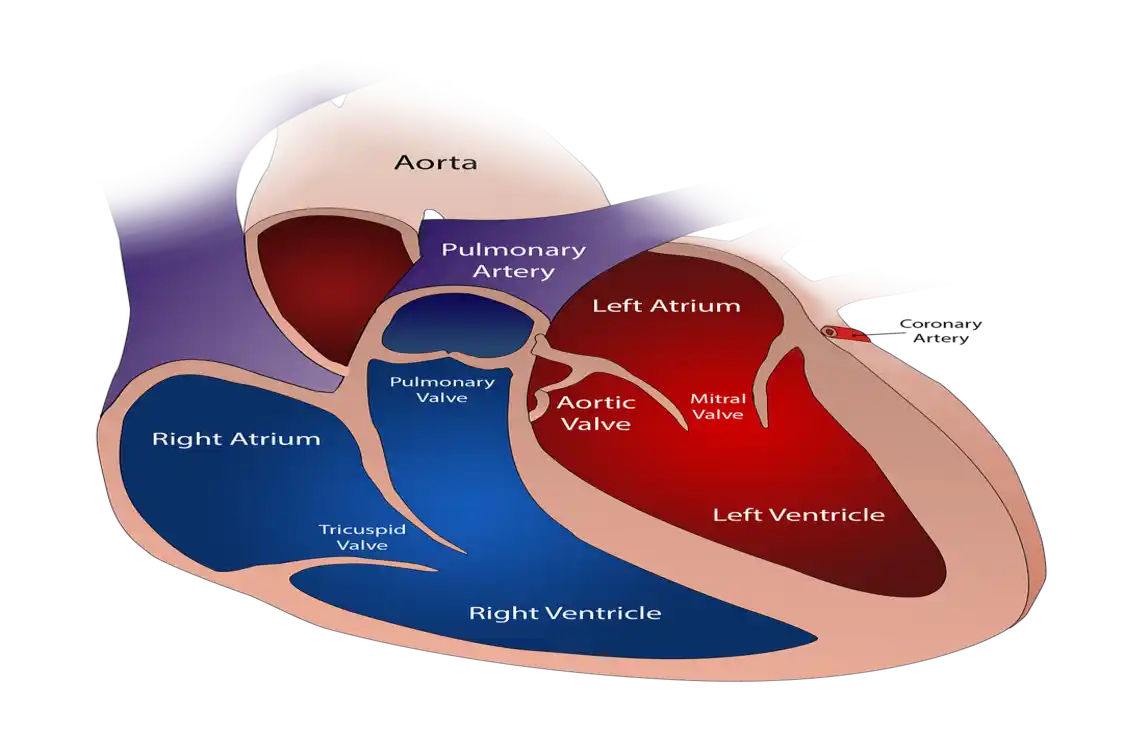
Mitral stenosis is a narrowing of the mitral valve opening that hinders blood flow from the left atrium to the left ventricle during diastole. This condition increases pressure in the left atrium, which is transmitted to the pulmonary veins and causes pulmonary hypertension, the main cause of symptoms.   Causes of mitral stenosis The most […]

Continue Reading
mitral valve prolapse

What is mitral valve prolapse?

Mitral valve prolapse, often referred to simply as mitral prolapse, is a condition where one or both mitral valve leaflets move abnormally upward into the left atrium during systole (when the heart’s ventricles contract). In many cases, this movement causes the valve leaflets to meet above their usual position—sometimes not closing properly—and can even lead […]

Continue Reading
Supraventricular tachycardia

Supraventricular tachycardia

Tachycardia is defined as an elevated heart rate, usually when it is above 100 beats per minute. Depending on the source of the impulse generating the tachycardia, it is called supraventricular or ventricular. Supraventricular tachycardias are those in which the electrical activity that produces them is located above the ventricles, either in the atria or […]

Continue Reading
Acute pericarditis

What is acute pericarditis?

Acute pericarditis is a rapid onset inflammation of the pericardium, the membranous sac that surrounds the heart. It is the most common pericardial condition and usually has an infectious cause, especially viral. The inflammation causes edema, fibrin deposition, and infiltration of white blood cells.   Symptoms of Acute Pericarditis Typical symptoms include: Sharp chest pain […]

Continue Reading
cardiac myxoma

Myxoma of the heart

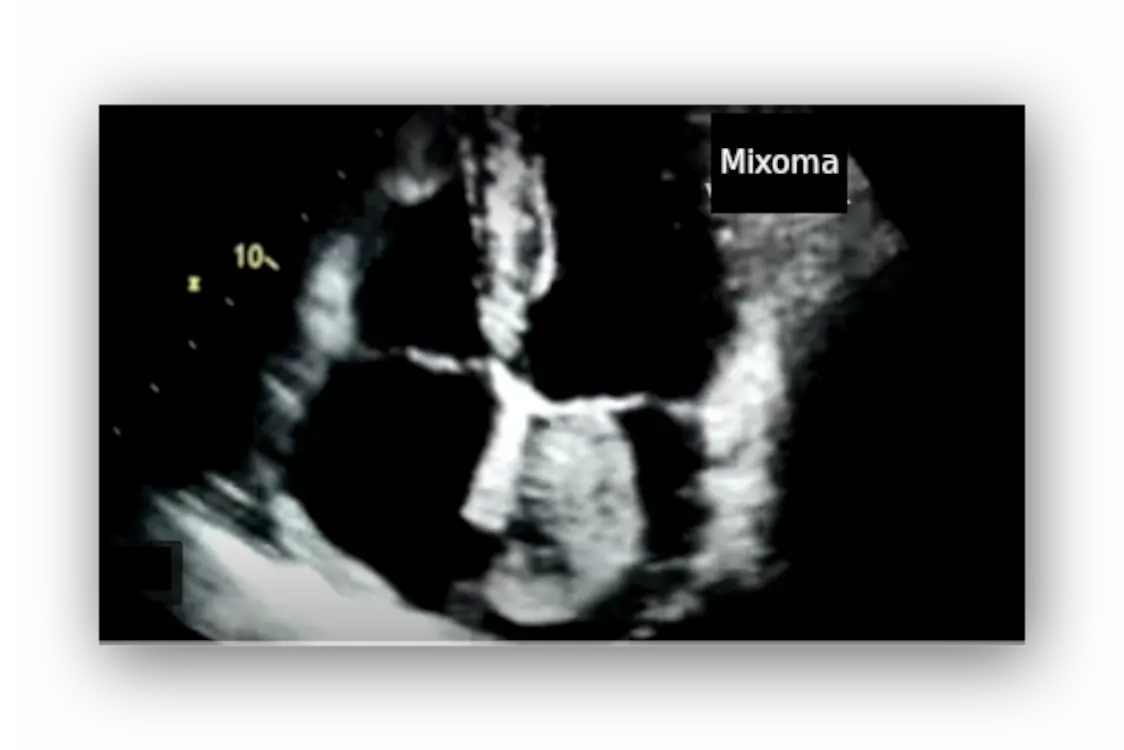
Cardiac myxoma is a benign tumor of the heart formed by cells derived from multipotent mesenchymal cells. The first description of a cardiac myxoma was published in 1845. For many years, cardiac myxomas could only be diagnosed at autopsy. In 1951, the first diagnosis of a left atrial myxoma was made by angiography. In 1955, […]

Continue Reading
unstable angina

What is unstable angina?

Angina pectoris is a sensation of discomfort or chest pain (or in surrounding areas) caused by reversible myocardial ischemia—a temporary reduction in blood flow to the heart muscle that does not lead to a heart attack. It is also known as angor. Clinically, it is referred to as unstable angina when there is a sudden […]

Continue Reading
sinus arrhythmia

What is sinus arrhythmia?

Sinus arrhythmia is a natural variation in the heart rhythm caused by irregular electrical signals from the sinus node. Although the heart’s electrical impulses follow a normal path, the time between heartbeats fluctuates by more than 10%, resulting in an irregular heartbeat.   How the Sinus Node Works The sinus node, located in the upper […]

Continue Reading
Atrioventricular block

Atrioventricular block

Atrioventricular block (AV block) is an alteration in the electrical conduction of the heart that causes a delay or interruption in the transmission of electrical impulses between the atria and the ventricles.   How Does Atrioventricular Conduction Work? To understand AV block, it is important to know the normal functioning of the heart’s electrical system: […]

Continue Reading